
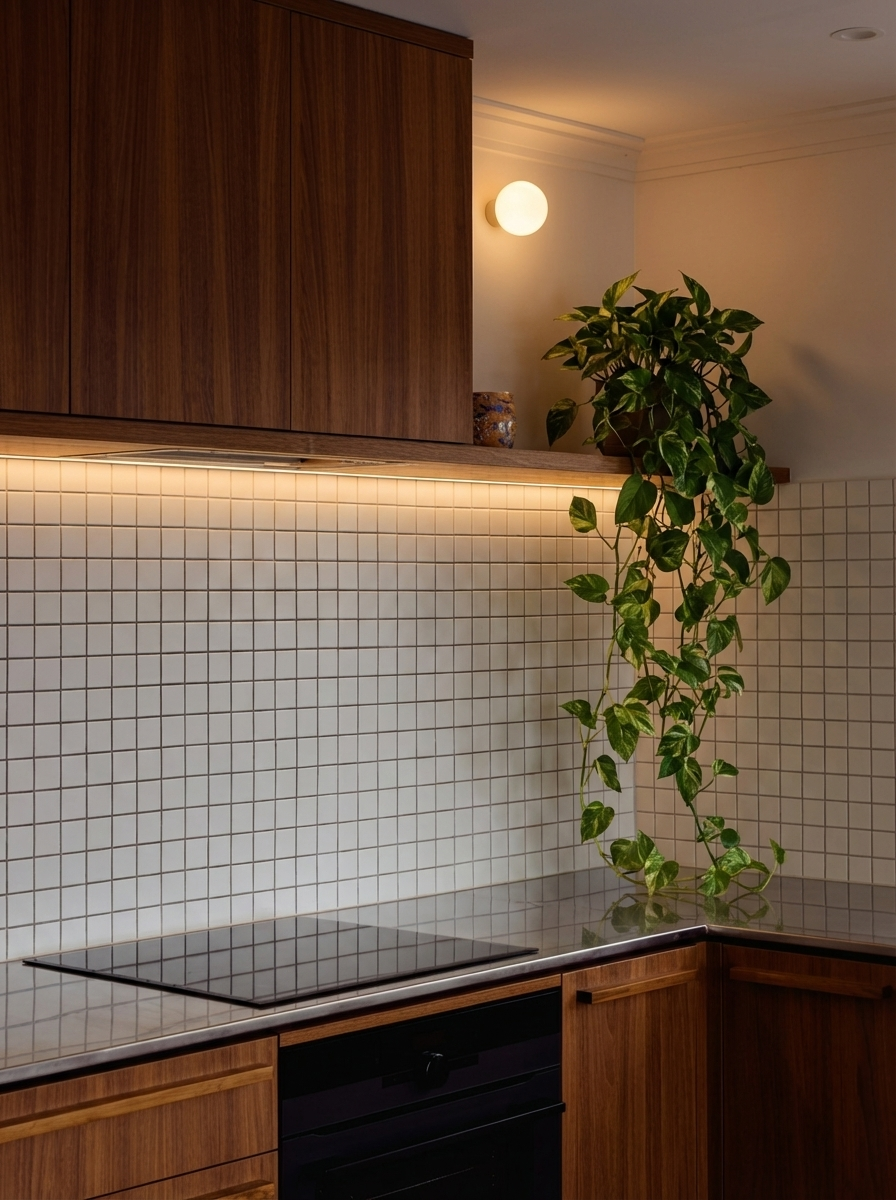
Kitchen designer vs kitchen company in NZ: what is the difference?
A kitchen company designs to sell you its product. An independent kitchen designer designs to solve your specific problem. On the surface both give you plans and a quote. The intent, scope, and protection you get are very different.
What a kitchen company actually does
Most kitchen companies in New Zealand offer a free design service. The designer works for that company. They use that company’s cabinet system, hardware, and supply chain.
Strong points:
One place to view cabinets, benchtops, and hardware.
Package pricing for cabinetry and installation.
Faster quoting when you fit within their standard ranges.
Limits you do not always see:
Layout is built around standard cabinet sizes, not your ideal workflow.
Product options are limited to what they stock or have deals on.
Documentation is focused on their install team, not your builder.
Other areas of the project such as flooring, lighting, and adjacent joinery often sit outside their scope.
The design work is part of the sales process. If you do not buy their kitchen, you usually cannot take the drawings elsewhere.
What an independent kitchen designer does
An independent designer is paid for their design and documentation. They do not earn a margin on the joinery or appliances. Their client is you, not a manufacturer.
What that changes:
Layout is driven by how you cook, store, and move.
Joinery choices can be truly custom or specified to suit your builder and cabinetmaker.
Appliances and fixtures are chosen across brands, not just from a preferred supplier.
You receive full plans, elevations, and specifications your builder can price and build from.
An independent designer also looks beyond the kitchen box. They consider adjoining spaces, sightlines, and how the kitchen sits within the whole home.
Where the risk sits
With a kitchen company the risk of gaps usually sits with you and your builder. If something is missing from the drawings, the builder has to make a call on site. That can lead to variations and extra cost.
With an independent designer, the goal is to close those gaps before the builder starts. The design fee covers:
Measured drawings of existing and proposed layouts.
Detailed joinery plans and sections.
Clear notes for plumbing, electrical, and lighting.
Material and appliance schedules.
Good documentation reduces surprises on site. Fewer surprises mean fewer “we did not allow for that” conversations.
When a kitchen company is enough
A kitchen company can be a good fit when:
The existing layout works and you want a refresh, not a re-think.
You are comfortable managing trades and decisions yourself.
Budget is tight and you are willing to accept standard solutions.
You still want to ask for clear drawings, an appliance plan, and written details about what is included and excluded.
When an independent designer is worth it
An independent designer is most valuable when:
You are changing walls, windows, or the way you use the space.
You want custom storage rather than standard cabinet runs.
You want one person holding the design vision through the whole project.
You want fewer variations and less decision fatigue during the build.
A design fee of $2,000–$7,000 often saves that much or more in avoided mistakes and rework.
If you are unsure which path suits your project, a short conversation can make that clear.
Design is about 10% of your spend, but it protects the other 90%
The decisions made at this stage are what keep the build on time and on budget.